[wpseo_breadcrumb]
Serengeti National Park is a Spectacle National Park in Northern Part of Tanzania that has captivated explorers, photographers, and wildlife enthusiasts for centuries, Serengeti National Park spans an area of approximately 14,763 square kilometers. The name “Serengeti originates from Maasai Language, meaning “endless plains.” And indeed, the landscape seems to stretch on infinitely, with golden grasslands as far as the eye can see. One of the most Serengeti’s National Park wildlife phenomena is the Great Wildebeest Migration which is one of the most remarkable wildlife spectacles in the world. The migration involves the movement of millions of wildebeests along with other herbivores such as Zebras and gazelles, in search of fresh grazing and water. A journey to Serengeti is not merely a vacation; it is an odyssey of the senses. It is an invitation to disconnect from the chaos of modern life and reconnect with the essence of nature.
Road Transport: Wild hut Travel and tours offer organized safari tours from Arusha to Serengeti National Park. These tours provide transportation in comfortable safari vehicles with experienced guides that will lead you throughout your trip. The travel time can vary based on the itinerary. Tours with wild hut often combine multiple destinations, including other nearby parks like Ngorongoro Crater, Tarangire National Park, or Lake Manyara. Transportation, accommodation, and safari activities are typically arranged for you by Wild hut travel and tours.
Air Transport: Another option is to take a domestic flight from Arusha Airport to one of the airstrips located within or near the Serengeti. Several airlines operate regular flights, such as Coastal Aviation, Regional Air, and Auric Air. The flight duration is approximately 1-2 hours, providing a quicker and more convenient way to reach the Serengeti National Park.
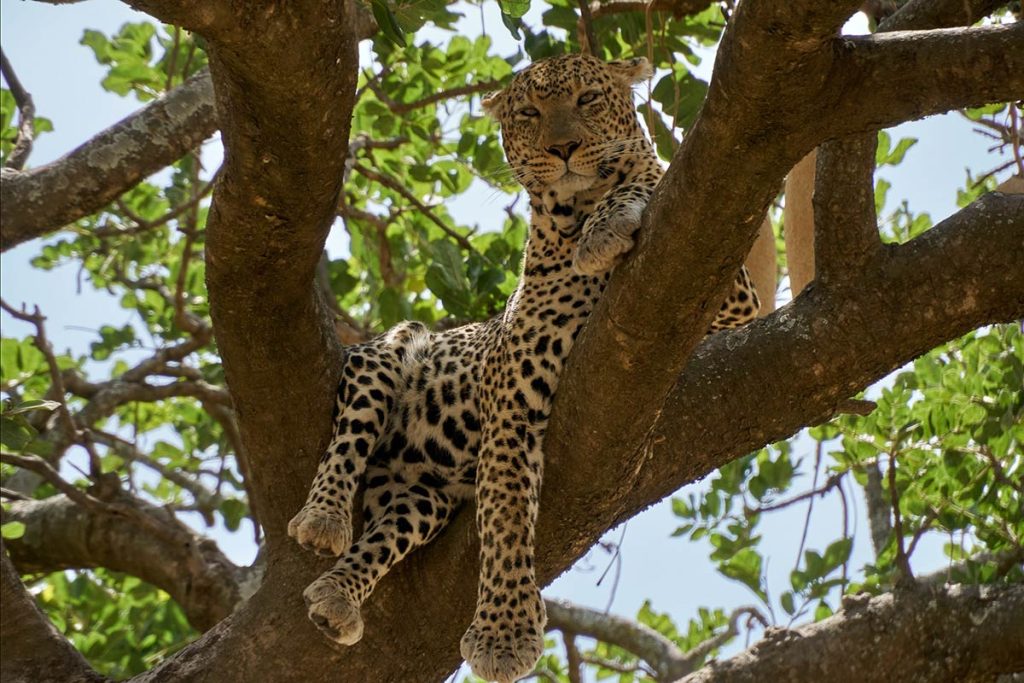
Game drives in the Serengeti National Park offer visitors an incredible opportunity to explore and observe the stunning wildlife of the region. During the game drive, visitors traverse the plains, woodlands, and riverine areas of Serengeti National Park, Searching for wide range of wildlife species. Game drives in Serengeti National Park can be conducted during different times of the day, including early morning and late afternoon, when wildlife activity is at its peak. Game drives provide an immersive experience, allowing visitors to observe wildlife behaviors and the natural beauty of the Serengeti National Park.
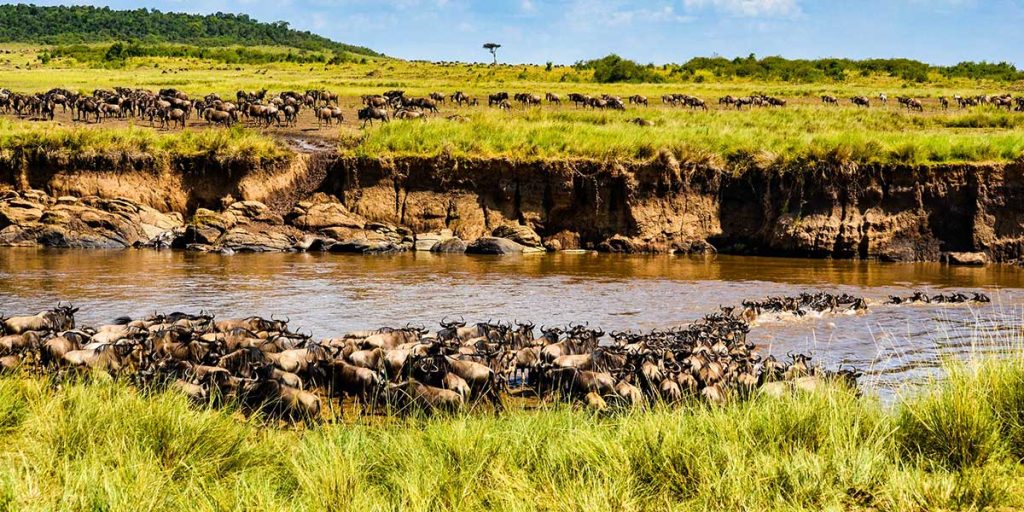
The Great Migration in the Serengeti national park is one of the most remarkable natural events on Earth that occurs in the great Serengeti National Park. It is the annual movement of millions of wildebeests between the Serengeti National Park and the Maasai Mara Reserve in Kenya. The sight of massive herds of wildebeests moving across the open savannah, navigating rivers, and encountering predators is awe-inspiring. It offers a unique opportunity to observe the circle of life in the animal’s kingdom and it showcases the struggle for survival, as predators’ prey on the weaker and vulnerable animals during the migration. The great Wildebeest migration in the Serengeti National Park is a significant natural event that showcases the beauty, Resilience, and interconnectedness of the animal kingdom.
A photography safari in Serengeti National Park is a great activity because it offers incredible wildlife encounters and stunning natural landscapes, allowing photographers to capture iconic images of diverse wildlife species and create compelling visual stories.
The great migration involves millions of wildebeest moving in search of fresh grazing and water. The timing of the migration varies from year to year, but generally, the best time to see the herds of wildebeest in the Serengeti is during the month of July to October. During this period, the animals cross the Grumeti and Mara Rivers, providing thrilling wildlife viewing opportunities.
The dry season, particularly from June to October, offers excellent game viewing opportunities. Vegetation during this season is sparse, making it easier to spot wildlife as they gather around water sources. Animals are also drawn to the Serengeti’s rivers and permanent waterholes, increasing your chances of seeing large concentrations of animals, including predators
If witnessing the wildebeest calving season is of interest to you, you can plan your trip between January and February. During this time, herds of wildebeest gather in the southern Serengeti, and you can witness thousands of newborn calves taking their first steps.
There are no results matching your search
Copyright 2026 @ Wildhut Safaris. All Rights Reserved.