• +255 767 493 229
  • info@wildhutsafari.com

Nyerere National Park

[wpseo_breadcrumb]

Overview

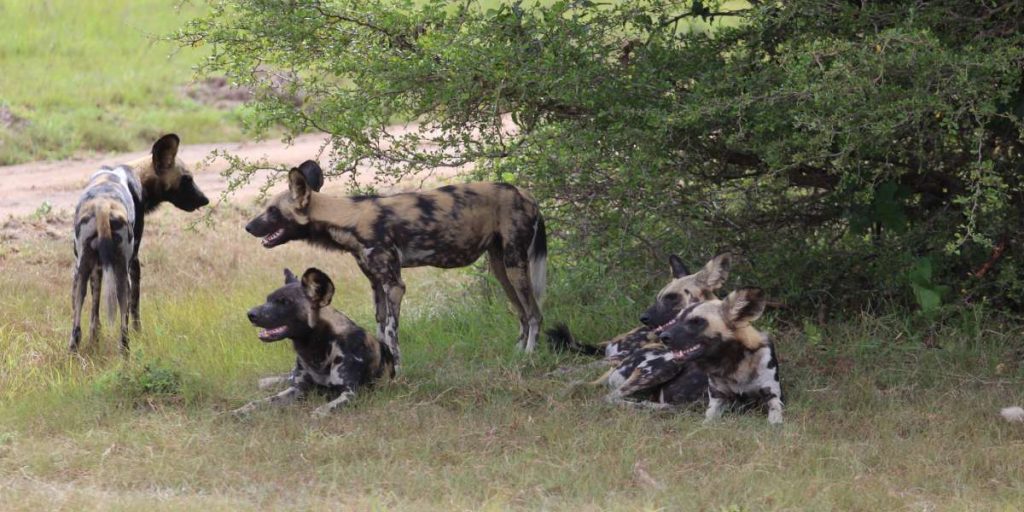
Nyerere National Park is a beautiful national park situated in the midst of Tanzania’s southern geography. This remarkable park, named after the nation’s founding father, Julius Nyerere, provides an immersive voyage into the untamed splendor of Tanzania. Nyerere National Park, located among the lush floodplains of the Rufiji River Basin, has an unparalleled range of ecosystems, including riverine forests, savannah plains, acacia woodlands, and beautiful miombo woodlands. Iconic African wildlife such as lions, elephants, leopards, and African wild dogs roam freely inside its boundaries, allowing visitors to experience the circle of life unfold before their eyes. The Rufiji River, flowing gracefully through the heart of the park, adds an aquatic dimension to the landscape, harboring hippos, crocodiles, and an astonishing variety of aquatic birds. Whether cruising along the Rufiji River to witness the harmonious coexistence of life at its banks or embarking on a game drive across the plains to witness the untamed energy of the wild, Nyerere National Park promises an adventure that etches itself into the soul of every traveler.

How to get Nyerere National Park?

Best Place to visit

The lifeblood of the park, the Rufiji River, is a hub of wildlife activity. Take a boat safari along its waters to witness bathing hippos, basking crocodiles, and a variety of waterbirds. The river is a prime spot for both wildlife observation and serene, picturesque landscapes.
This impressive geological formation features a dramatic canyon carved by the Rufiji River. Visitors can enjoy stunning views of the gorge and its surroundings from vantage points along the park’s roads.
This region is characterized by rolling hills, open grasslands, and scattered baobab trees. It’s an excellent spot for game drives, where you can encounter various wildlife species such as elephants, lions, buffaloes, and even the rare African wild dog.
Lake Tagalala is a seasonal lake that attracts an abundance of wildlife during the dry season, Lake Tagalala is a prime spot for birdwatching. Flocks of flamingos and other waterbirds gather here, creating a mesmerizing spectacle.
Located in the southern part of the park, the Maji Moto hot springs are not only a natural wonder but also a place where animals come to drink, making it an ideal spot for observing wildlife.

Things to Do

The Rufiji River winds through the park, offering fantastic opportunities for boat safaris. Cruise along its shores to witness hippos, crocodiles, waterbirds, and other aquatic life. The river also attracts larger animals coming to drink and cool off, creating amazing wildlife encounters.

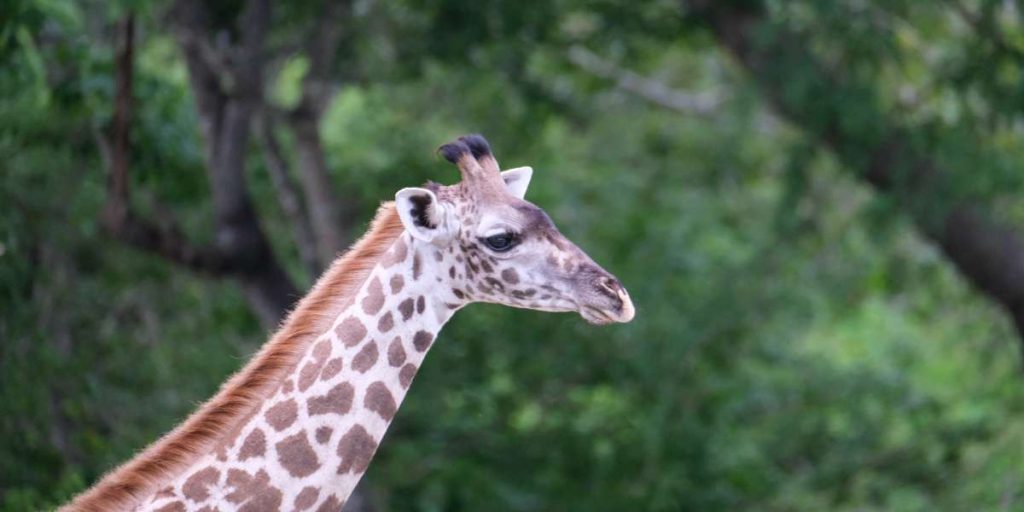
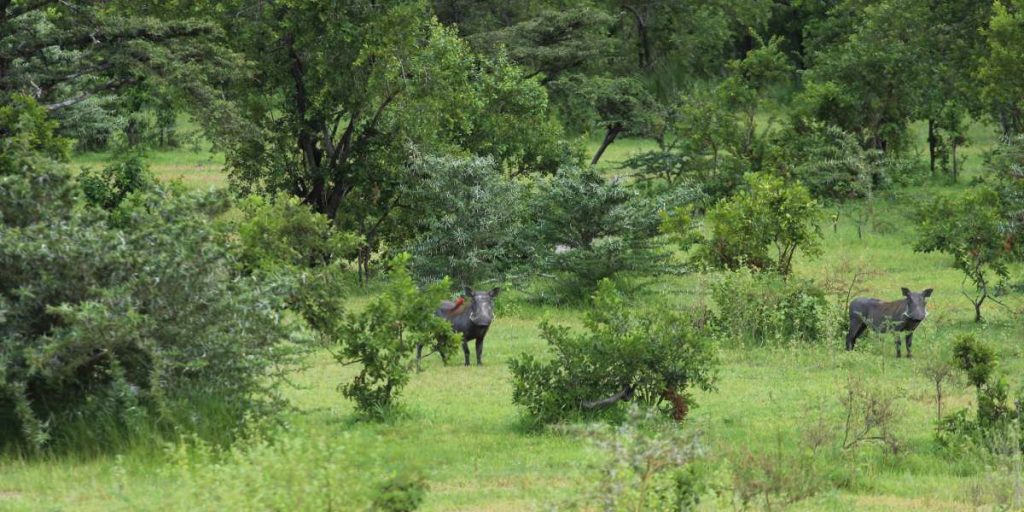
Embark on thrilling game drives to explore the vast landscapes of Nyerere National Park. Experienced guides will lead you through diverse habitats, giving you the chance to spot Africa’s iconic wildlife, including elephants, lions, leopards, buffaloes, giraffes, and various antelope species.

Discover the park’s intricacies on foot with guided walking safaris. Experience the thrill of being immersed in nature while learning about trails, plants, and smaller wildlife that often go unnoticed on a vehicle safari.
For those interested in angling, the Rufiji River is home to an array of fish species. Fishing safaris can be arranged, offering a unique blend of adventure and relaxation.
The park’s diverse landscapes, rich wildlife, and stunning sunsets provide fantastic photography opportunities. Encouraging visitors to capture the beauty and essence of Nyerere National Park.

Best Time to visit

The best time to visit Nyerere National Park, also known as Selous Game Reserve, depends on the type of experience you’re seeking and the wildlife you wish to observe. Here are the two main seasons to consider:
dry-season

  • The dry season, from June to October, is considered the best time to visit Nyerere National Park. During this period, the vegetation becomes thinner, making it easier to spot wildlife as they congregate around water sources.
  • The weather is generally dry and pleasant, with cooler temperatures in the morning and evening, making it comfortable for both game drives and boat safaris.
  • Animals tend to gather around the Rufiji River and other water bodies, providing excellent opportunities for wildlife viewing and photography.

wet-season

  • The wet season, from November to May, brings lush greenery to the park due to the rains. The landscape is vibrant and picturesque, and the park is less crowded during this time.
  • Birdwatching is also fantastic during the wet season, as many resident bird species become more active and colorful.
  • The wet season is also the calving season for many herbivores, so you might witness young animals taking their first steps.

Tours & Safaris

Copyright 2026 @ Wildhut Safaris. All Rights Reserved.