[wpseo_breadcrumb]
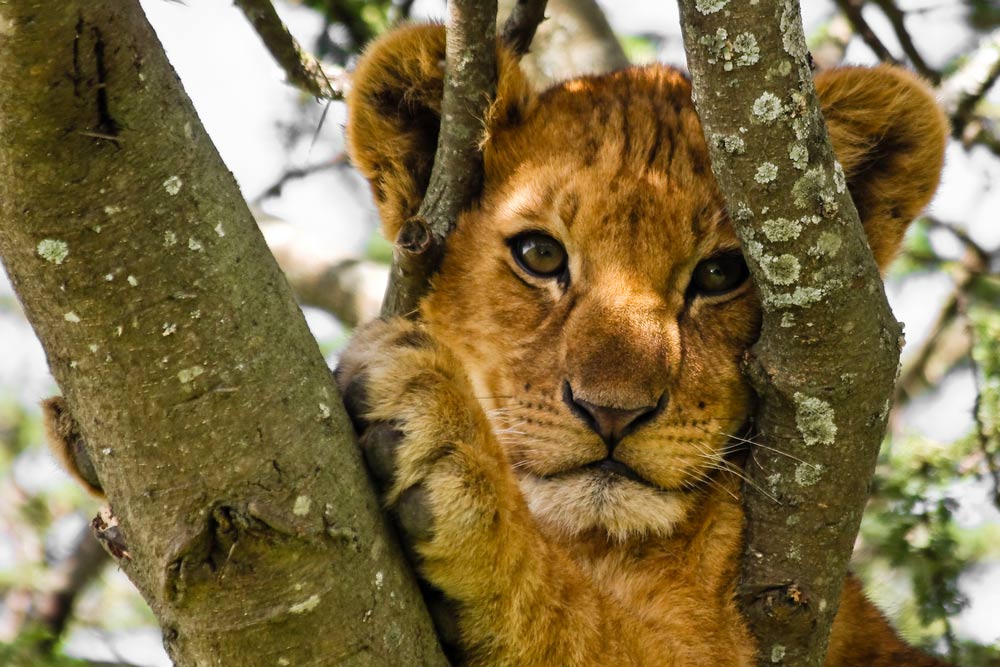
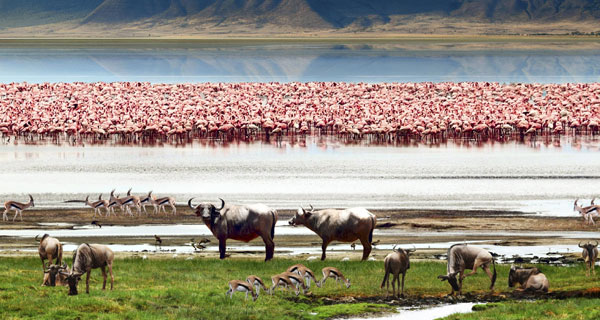
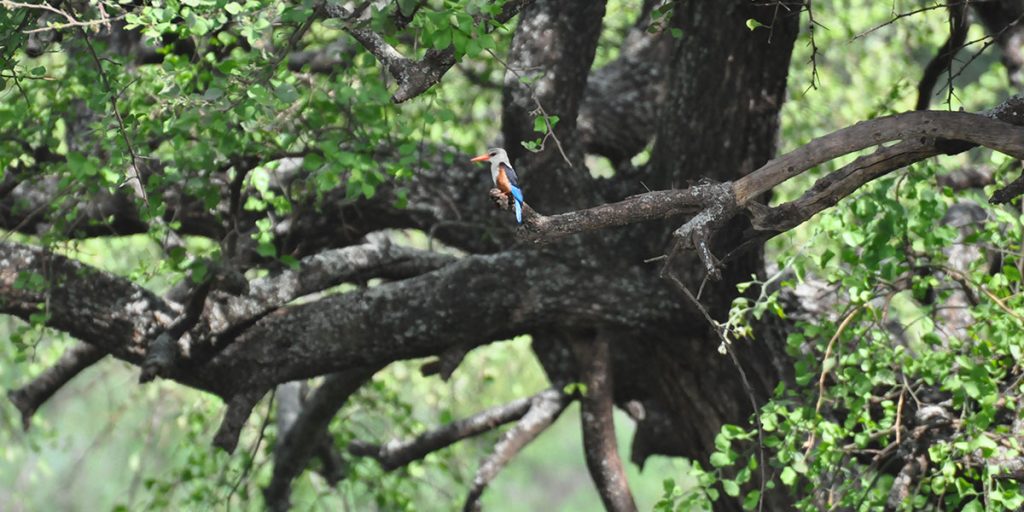
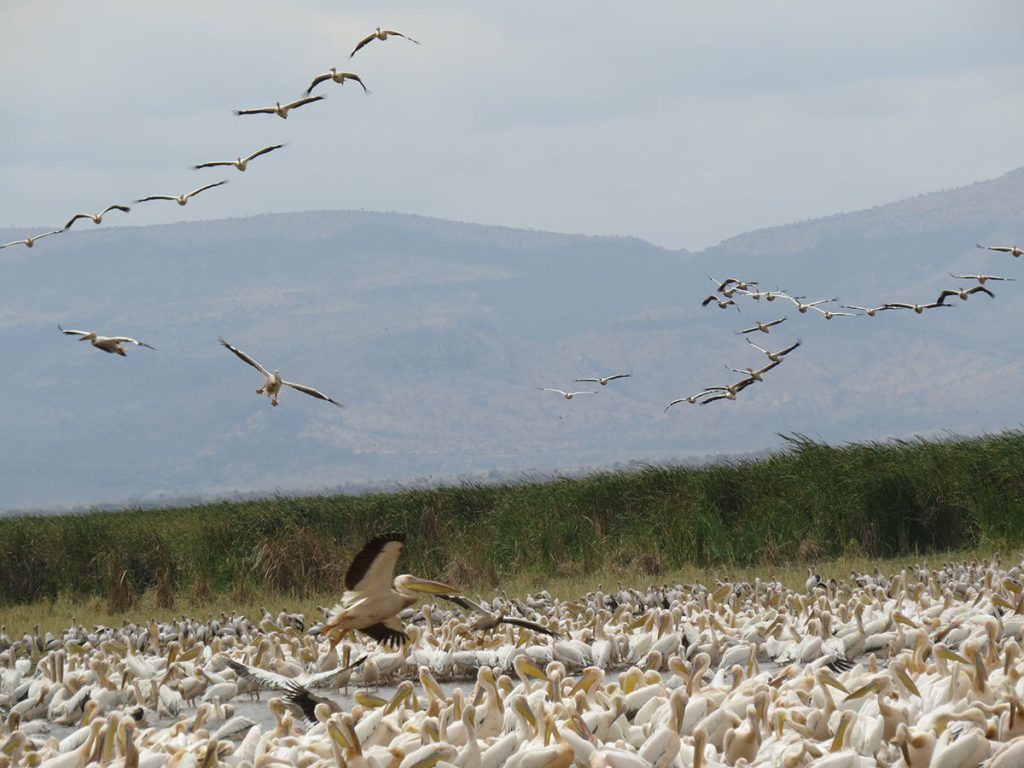
Lake Manyara National Park is a well-known National Park that is located in northern Tanzania. Manyara National Park is part of the broader Manyara Region and has an area of around 330 square kilometers (127 square miles). Lake Manyara, is an alkaline lake that runs along the park’s eastern boundary, is the park’s most noticeable feature. Lake Manyara National Park’s diversified habitats support a diverse range of wildlife. The park has dense woodlands, open grassland regions, acacia trees, and the lake itself, resulting in a unique ecology that supports diverse species. Lake Manyara attracts wildlife enthusiasts due to its diverse array of animal species. Elephants, buffalos, giraffes, zebras, wildebeests, and impalas are among the herbivores found in the park. One of Lake Manyara National Park Highlights is its population of tree-climbing lions which is a rare sighting. These lions have adapted to their surroundings and can frequently be seen lounging on trees during the day. Lake Manyara is also known for its avian variety, attracting numerous bird species. Flamingos can be seen in large groups along the lake’s shoreline. Other prominent bird species include pelicans, storks, herons, hornbills, and many others. Lake Manyara National Park is known for its magnificent surroundings a. The Great Rift Valley escarpment provides a stunning backdrop, with lush green vegetation contrasted against the rough cliffs. The park has excellent perspectives with panoramic views of the surrounding area. Lake Manyara visitors can explore the park on game drives, walking safaris, and birdwatching trips. The diverse flora and fauna, together with unique landscape, makes Manyara National Park a favorite destination for travelers.
Using Wildhut travel and tours: Contact Wildhut tour operators in Arusha we offer safaris to Manyara National Park. We will arrange all aspects of your trip, including transportation, accommodation, and Park fees. Our safari guide will pick you up from your accommodation in Arusha or from the Kilimanjaro International airport and drive you to Manyara National Park in our comfortable safari vehicle. Wildhut tours will handle all logistics, ensuring a smooth and memorable safari experience.
By Flight: Wildhut tour operators will Reserve for you a flight from Arusha Airport to Manyara Airstrip. Our Safari guide will transfer you to Arusha Airport on the day of your safari departure. You will Complete the check-in process and board your domestic flight to Manyara Airstrip. You will have an opportunity to enjoy stunning aerial views as you fly over the picturesque landscapes between Arusha and Manyara. After some minutes you will Touch down at Manyara Airstrip, where you’ll be greeted by our safari guide who will transfer you from the airstrip to Manyara National Park, ensuring a seamless transition to your safari adventure. After a day of safari activities at Lake Manyara National Park you will head to your lodge for meals and overnight or continue with Safari depending on your travel plans.
Embark on thrilling game drives to explore the diverse wildlife of Lake Manyara National Park. The park is renowned for its abundant birdlife and a variety of animals, including elephants, lions, giraffes, zebras, and more.
The park offers designated picnic areas where you can enjoy a leisurely meal surrounded by the park’s natural beauty. Additionally, travelers catch a breathtaking African sunset at one of the designated sundowner spots.
This period is considered the best time for wildlife viewing in Lake Manyara National Park. The dry season typically runs from June to October. During this time, vegetation is sparse, and animals congregate around water sources, making them easier to spot. The weather is generally pleasant, with cooler temperatures and lower humidity. You can expect clear skies, making for great photography and comfortable game drives.
The wet season, which runs from November to May, is a paradise for birdwatchers and botany enthusiasts. While the park is at its greenest, the abundance of water and food sources attracts a diverse array of bird species, some of which are migratory. November to December is a particularly good time for birdwatching, with a chance to witness the arrival of migratory birds. The landscape is vibrant and lush, offering a unique perspective of the park’s beauty. This season is also the low tourist season, so you’ll have a more private and intimate safari experience.
There are no results matching your search
Copyright 2026 @ Wildhut Safaris. All Rights Reserved.